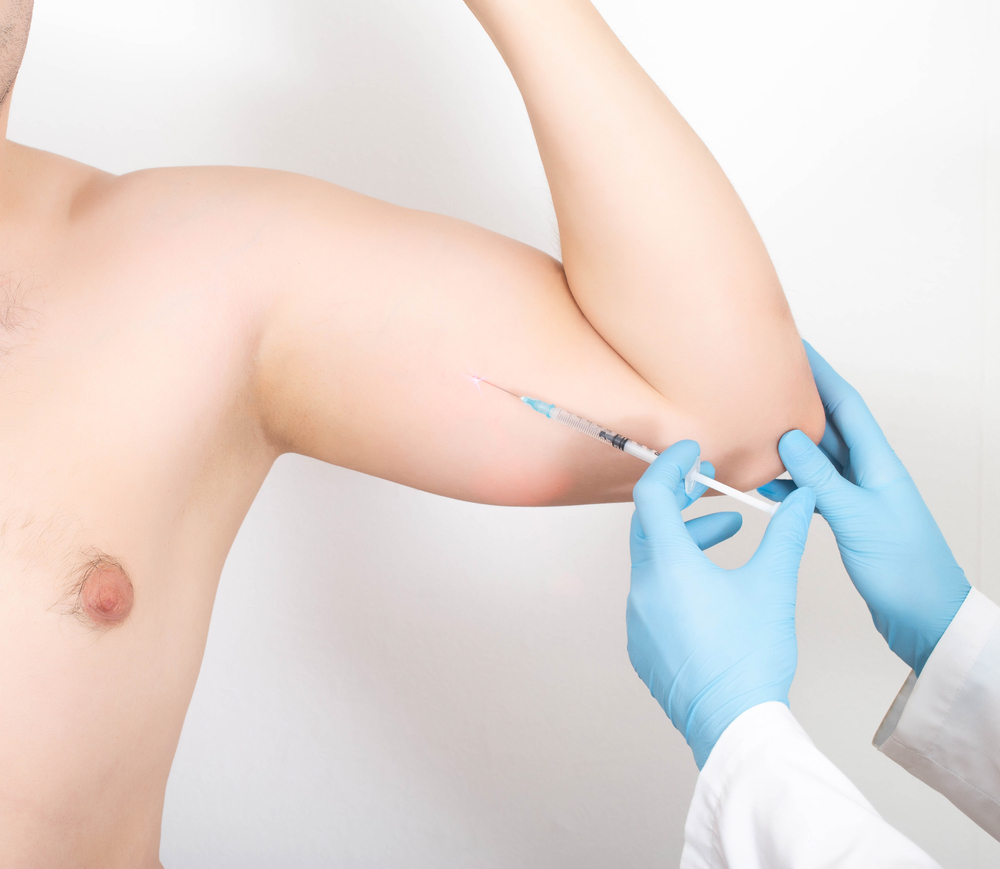
Fat transfer – Grafting
Overview
Autologous Fat Injection is a sophisticated cosmetic and restorative procedure where a patient’s own fat is harvested from donor sites (such as the abdomen, thighs, or buttocks) via liposuction, processed, and then reinjected into areas requiring volume enhancement or aesthetic refinement. Also known as Fat Transfer Surgery, this technique is widely used for facial rejuvenation, breast and buttock enhancement, scar revision, and reconstructive purposes following surgery or burns.
Why Choose Fat Transfer Surgery? (The Goals)
- Restoring Lost Volume: Addressing volume depletion in the face or body caused by aging, weight loss, or previous medical procedures.
- Skin Quality Enhancement: Improving skin texture, smoothness, and elasticity, particularly in areas damaged by sun exposure or requiring tissue repair.
- Correcting Irregularities: Smoothing out scars, deep wrinkles, or hollow contours to achieve a more balanced appearance.
- Reconstructive Support: Serving as an ideal option for tissue reconstruction after tumor removal or radiation therapy, helping to regenerate healthy tissue.
Key Benefits
- Incredibly Natural Results: Since the filler is your own biological tissue, the look and feel are far more natural than any synthetic implant.
- Biocompatibility: There is virtually no risk of allergic reaction or "rejection" because no foreign materials are introduced to the body.
- Dual-Benefit Contouring: This procedure involves removing unwanted fat from one area (liposuction) to enhance another, effectively sculpting two parts of the body simultaneously.
- Tissue Regeneration: Transferred fat—rich in regenerative properties—improves blood supply and skin quality, which is particularly beneficial for Fat Grafting in scarred or radiated areas.
Ideal Candidates (Eligibility)
- General Health: Patients should be free from uncontrolled chronic conditions like unstable diabetes or clotting disorders.
- Weight Stability: A stable weight is crucial, as significant weight changes after the procedure can alter the volume of the injected fat cells.
- Adequate Donor Fat: Candidates must have sufficient fat deposits in donor areas; very lean individuals may not be suitable.
- Realistic Expectations: Understanding that the body may naturally absorb a percentage of the injected fat, sometimes requiring follow-up sessions.
- Smoking Cessation: Patients must quit smoking before the procedure to ensure optimal blood flow and graft survival.
The Procedure: Step-by-Step
1. Evaluation and Diagnosis
A comprehensive exam to review medical history and identify donor and recipient sites. Your surgeon will discuss the expected "take rate" (survival percentage) of the fat.
2. Pre-Operative Preparation
Includes pausing certain medications that increase bleeding and maintaining a healthy lifestyle to prepare the body for the transfer.
3. Fat Extraction
Fat is harvested using specialized, gentle liposuction techniques. The fat is then purified using centrifugation or filtration to remove excess fluids, blood, and oils.
4. Precision Injection
The purified fat is carefully injected into the recipient site in multiple layers and micro-droplets. This ensures maximum contact with blood supply, preventing clumping and ensuring long-term survival of the cells.
5. Post-Operative Care
Incision sites are dressed, and compression garments are applied to the donor area to support healing and minimize swelling.
Recovery Phase
- First 24–48 Hours: Moderate swelling, bruising, and mild soreness at both donor and recipient sites are expected. Pain is managed with prescribed medication.
- Week 1: Patients should rest and avoid strenuous physical exertion. Compression garments are worn as directed.
- Weeks 1–3: Swelling and bruising gradually fade, allowing a return to light daily activities.
- Months 3–6: The final results are realized. This is the period when the blood supply to the fat cells is fully established and the final volume stabilizes.
Potential Side Effects
- Temporary swelling and bruising.
- Minor discomfort or localized soreness.
- The body may absorb a portion of the fat, which is a normal part of the healing process.
- Small, firm lumps may occasionally form if some fat cells do not survive the transfer.
- Minor differences in volume between treated sides.
Why choose Passion Clinics for your Autologous Fat Injection?
- Specialized Expertise: Our elite medical team is trained in the most advanced Fat Grafting techniques to ensure high survival rates of transferred cells.
- Advanced Technology: We utilize state-of-the-art purification and injection tools to ensure precision and patient safety.
- Integrated Care: From initial consultation to post-operative follow-ups, we design a customized plan tailored to your aesthetic goals.
- Clinical Excellence: We adhere to the highest international standards of hygiene and sterilization.
Begin your journey toward a naturally sculpted body with Passion Clinics. Contact us today to book your consultation.
Frequently Asked Questions (FAQs)
1. Are the results of Autologous Fat Injection permanent?
The results are considered long-term. While some fat is naturally absorbed in the first few months, the fat cells that establish a blood supply remain permanently.
2. How long does full recovery of Autologous Fat Injection take?
Most visible swelling and bruising resolve within 1 to 3 weeks, though it takes 3 to 6 months to see the final, stable results.
3. Is the procedure painful?
Discomfort is generally moderate and well-controlled with medication. Most patients describe the feeling as a "sore muscle" sensation that fades quickly after the first two days.
4. Is there a risk of cancer?
Current scientific research shows no link between fat transfer and an increased risk of cancer. However, we always recommend a thorough consultation if you have a significant personal or family medical history.
5. How many sessions are required?
A single session often provides significant improvement. However, depending on the desired volume and the body's absorption rate, some patients may opt for a second session to achieve their ultimate goal.