Buttock Augmentation
Overview
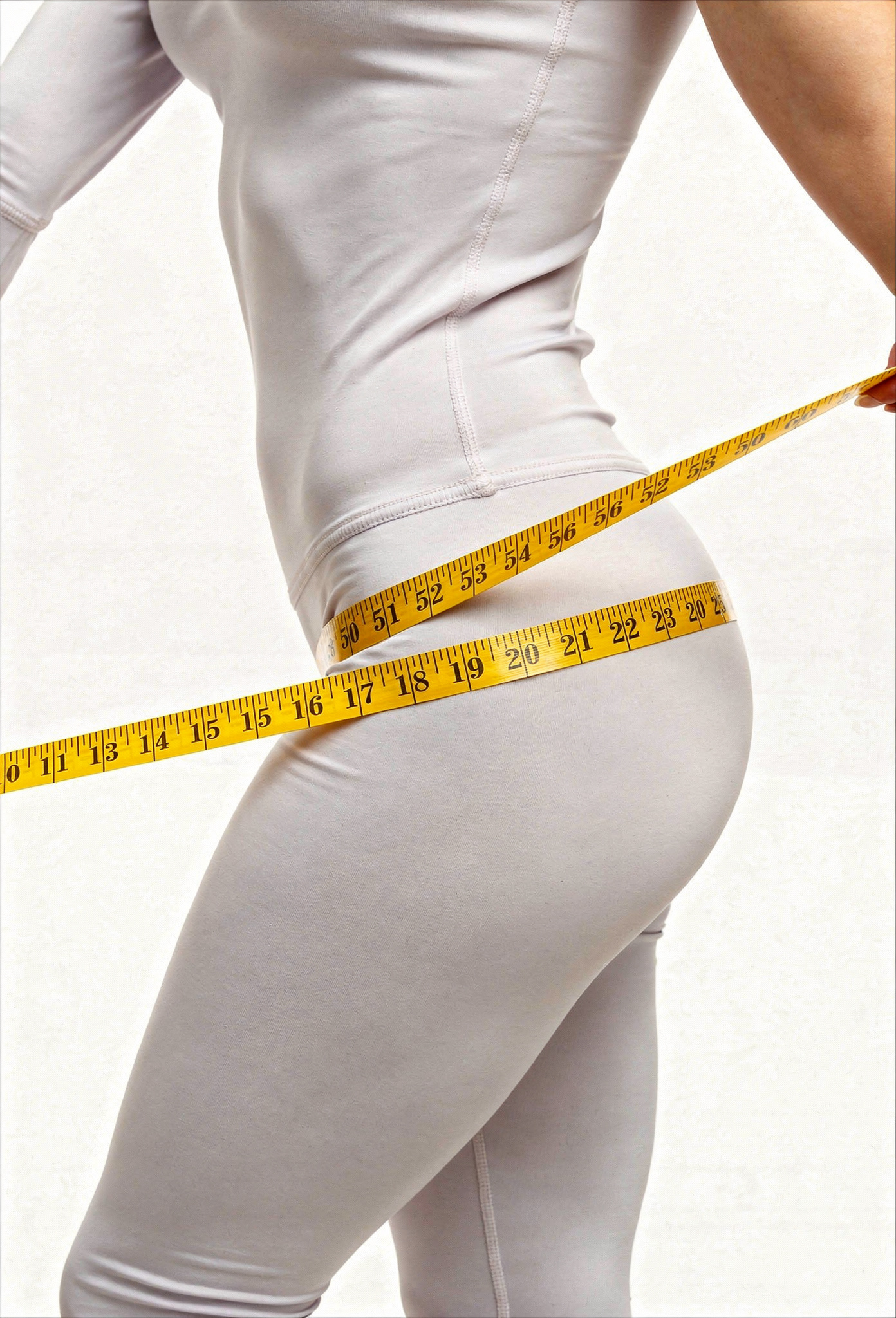
Buttock Augmentation is a premier cosmetic procedure designed to increase the volume and enhance the contour of the buttocks, ensuring they harmonize perfectly with the rest of the body. This procedure, often referred to as Buttocks Cosmetic Surgery, typically involves the transfer of autologous fat from other body areas, the use of specialized implants, or a combination of both techniques to achieve the desired aesthetic goals.
Why Consider This Procedure? (The Goals)
- Enhanced Shape: Sculpting the buttocks to appear fuller, firmer, and more curvaceous.
- Improved Proportions: Refining the transition between the waist, hips, and thighs to create a more balanced silhouette.
- Correction of Asymmetry: Addressing natural imbalances where one side may be smaller or flatter than the other.
Key Benefits
- Natural Look and Feel: Particularly with fat grafting, the results offer a soft, natural texture and appearance.
- Dual-Action Contouring: When utilizing fat transfer, patients benefit from liposuction in donor areas (like the abdomen or back), resulting in a slimmer waist and fuller buttocks.
- Long-Lasting Results: With a stable weight and healthy lifestyle, the enhancement can last for many years.
- Clothing Fit: Improves the way clothes and swimwear fit, highlighting the body's natural curves.
- Confidence Boost: Significantly increases self-esteem and satisfaction with one's physical appearance.
Ideal Candidates (Eligibility)
To ensure the best outcomes for Buttock Augmentation, ideal candidates should meet the following:
- Good General Health: Free from uncontrolled chronic conditions such as diabetes or heart disease.
- Non-Smoking Status: Patients must quit smoking before and after the surgery, as nicotine impairs healing and increases complication risks.
- Sufficient Fat Reserves: For those opting for fat transfer, adequate donor fat must be available in areas like the abdomen, thighs, or back.
- Stable Weight: Significant weight fluctuations after surgery can negatively impact the final aesthetic.
- Realistic Expectations: A clear understanding of the surgical possibilities and the recovery process.
- Alternative Solutions: Patients with very low body fat or significant skin laxity may be better candidates for implants or a surgical lift.
The Procedure: Step-by-Step
- Initial Consultation: A comprehensive medical evaluation and clinical photography to plan the most suitable technique.
- Pre-Operative Preparation: Blood tests, adjusting medications (especially blood thinners), and smoking cessation.
- Anesthesia: Performed under general anesthesia or local anesthesia with sedation, depending on the case complexity.
- Fat Harvesting and Purification: (For fat transfer cases) Fat is gently suctioned and purified to ensure only healthy fat cells are reinjected.
- Placement:
- Fat Transfer: Fat is meticulously injected into the subcutaneous layers (avoiding muscle tissue to maximize safety).
- Implants: Silicone implants are placed either above or within the muscle based on the surgeon's assessment.
- Closure: Small incisions are sutured, and compression garments are applied.
- Observation: A brief recovery period in the clinic to monitor vital signs and ensure patient stability.
Recovery Phase
- Early Days: Expect moderate swelling, bruising, and manageable discomfort. Prescribed analgesics will be provided.
- Mobility & Sitting: Patients must avoid sitting or sleeping directly on the buttocks for 1–2 weeks. Special "BBL pillows" are recommended when sitting is necessary.
- Compression Garments: Wearing a supportive garment for several weeks is vital to reduce swelling and support the new contours.
- Returning to Activity: Light activities can be resumed after 4–6 weeks. Strenuous exercise or heavy lifting should be avoided for 3–6 months.
- Final Results: The final shape is fully realized once the swelling subsides and the transferred fat or implants settle, usually within 3 to 6 months.
Potential Side Effects
While highly safe when performed by experts, potential risks include:
- Partial Fat Absorption: The body may naturally absorb 30–40% of transferred fat.
- Temporary Numbness: Changes in sensation that usually resolve over time.
- Asymmetry: Minor differences in volume between the two sides.
- Standard Risks: Possible infection, hematoma (blood collection), or seroma (fluid collection).
- Scarring: Small, discreet scars at the incision sites.
Why choose Passion Clinics for your Buttock Augmentation?
- Specialized Expertise: Our professional medical team is expertly trained in the latest Buttock Enlargement Surgery techniques.
- Advanced Technology: We utilize state-of-the-art, fully sterilized equipment to ensure precision and patient safety.
- Comprehensive Care: From the initial consultation to the final follow-up, we design a treatment plan tailored to your body.
- A Safe & Trusted Environment: We adhere to the highest international clinical and hygiene standards.
Begin your journey toward a more contoured, confident you. Contact Passion Clinics today to book your consultation.
Frequently Asked Questions (FAQs)
1. How long does the surgery take?
The procedure generally takes between 2 to 4 hours, depending on the volume of fat transfer or the use of implants.
2. When will I see the final results?
While initial improvements are visible after the swelling subsides (2 months), the final result is usually stable by the 6-month mark.
3. Is the post-operative pain severe?
Discomfort is normal in the first few days but is effectively managed with medication. Most patients return to a relatively normal routine within 1 to 2 weeks.
4. How long do I need to rest?
Desk-based work can usually be resumed within 10–14 days. Strenuous activities require a wait of at least 4–6 weeks.
5. Which is better: Fat Transfer or Implants?
-
Fat Transfer (BBL): Offers the most natural feel and look, provided you have enough donor fat.
-
Implants: Ideal for patients with very low body fat who desire a significant increase in volume. Your surgeon will recommend the best path for your anatomy.