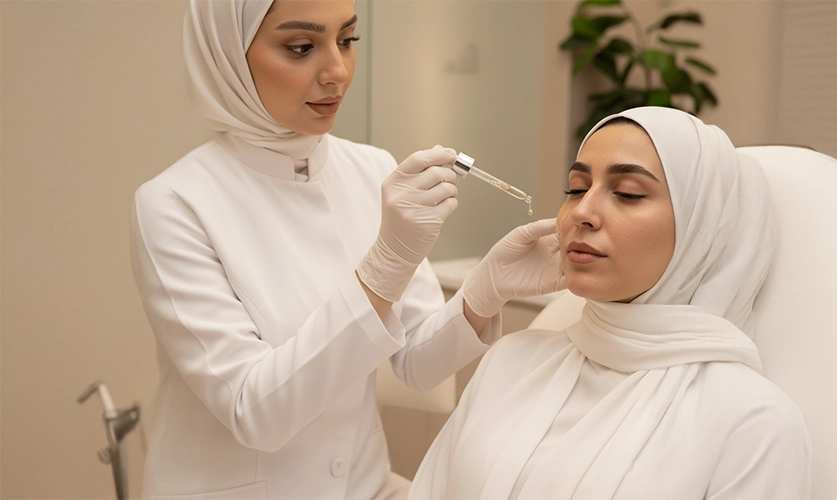
Overview
Skin analysis, or skin testing, is a non-invasive medical examination that utilizes advanced imaging equipment and sometimes specialized lighting (such as UV light and polarized light) to accurately assess the condition of the skin. This technology reveals superficial and sub-surface issues like spots, pigmentation, wrinkles, enlarged pores, redness, and dehydration. The procedure is also known by several names, including skin testing, skin examination, skin type test, and skin tests.
Why? (Purpose)
- Early identification of signs of damage caused by the sun or environmental factors before they become visible to the naked eye.
- Determine the skin type (oily, dry, combination, sensitive) to aid in selecting appropriate care procedures.
- Guide a customized cosmetic or therapeutic treatment plan, including skincare products, peels, laser, Deep Skin Hydration, and other procedures.
- Monitor skin changes over time or after applying specific treatments to ensure efficacy and enhance results.
Benefits
- Customized Treatment: Treatment recommendations are based on the specific needs identified by the skin assessment, moving beyond generic prescriptions.
- Prevention of Skin Problems: Early detection of signs of damage, pigmentation, or skin changes before they worsen.
- Time and Cost Saving: Ensures the correct products and treatments are chosen, reducing unnecessary expenses and the use of unsuitable products.
- Visible Results: The ability to track changes over time—such as improved texture, reduced pores, and minimized pigmentation.
- Comfort and Safety: The service is conducted under medical supervision, using certified tools, with a detailed explanation of the skin's condition.
Candidates (Eligibility)
- Anyone who wishes to determine their skin type using a skin type test.
- Those suffering from issues such as acne, pigmentation, inflammation, enlarged pores, or discoloration after sun exposure.
- Individuals who have started or are considering cosmetic or clinical treatments like laser, chemical peels, or injectables, and who wish to estimate risks and benefits.
- Those with sensitive skin or unexplained allergic reactions who want to avoid irritants.
- Those seeking to monitor the progression of their skin after a specific treatment and who want to measure the improvement in results (skin diagnostic sessions).
- The test may not be suitable for those with certain active dermatological conditions that require prior treatment, or those using medications that interfere with the skin analysis without consulting a doctor.
Procedure Steps
- Initial Consultation: Gathering medical history, current skincare routine, and identifying any allergic reactions.
- Skin Cleansing: The facial area is cleansed to remove makeup, surface oils, and some products, preventing interference with imaging.
- Imaging: Specialized devices (such as VISIA or multi-spectral imaging devices) are used to capture images of the face under different lights (standard light, polarized light, UV light, etc.).
- Results Analysis: The images are analyzed, and data is interpreted (pores, spots, wrinkles, sub-surface pigmentation, redness, etc.), followed by a comprehensive skin assessment.
- Treatment Plan: Based on the analysis, suitable skincare products, cosmetic or medical procedures, and a timeline for home care and follow-up are determined.
Postoperative Recovery
Since the skin testing is non-invasive, there is no actual prolonged recovery period. Patients can typically resume their normal activities immediately after the examination.
Side Effects
- Temporary Discomfort or Sensitivity: Some individuals with sensitive skin may feel a slight tingling or temporary redness from the cleansing or the light used during the examination.
- Potential Misinterpretation: The analysis provides indicators but not necessarily a final diagnosis for a pathological condition; therefore, follow-up with a dermatologist is always necessary if a specific condition is suspected.
- Results Change Over Time: Natural changes (hormonal shifts, environmental factors, diet, sun exposure) can affect the skin analysis results, requiring periodic reviews to accurately understand these changes.
Why Choose Passion Clinics?
Why should you choose Passion Clinics for your skin analysis sessions?
- Specialized Expertise: Our professional medical team, trained in the latest skin analysis techniques, ensures you achieve the best results with complete safety.
- Advanced Technology: We use high-quality, fully certified tools to guarantee treatment precision and minimize recovery time.
- Personalized Care: We provide a comprehensive consultation before the session to determine your needs and design a perfectly tailored treatment plan.
- Safe & Comfortable Environment: We adhere to the highest standards of hygiene and sterilization to give you a comfortable and trustworthy experience.
Start your journey now towards a brighter skin with Passion Clinics. Contact us today to book your consultation appointment.
FAQs
What is the difference between skin analysis and skin examination?
Skin analysis relies on the precise analysis of the skin's superficial and sub-surface condition using specialized imaging and lighting. "Skin examination" can also refer to a broader clinical assessment (for dermatological diseases, rashes, etc.).
Is skin testing painful?
No, the test is not painful, as it involves no surgical intervention, incisions, or injections. It is generally only simple imaging and cleansing.
How often should I perform skin analysis?
A follow-up review or examination is preferably conducted every 6 to 12 months, or when there is a change in lifestyle or new skin issues arise.
Do the analysis results appear immediately?
Yes, the patient usually receives images and an immediate analysis.
Does skin analysis detect skin cancer?
Not necessarily. Skin tests like VISIA reveal certain symptoms such as pigmentation, noticeable sub-surface changes, or sun damage. However, the definitive clinical detection or diagnosis of skin cancer requires a direct medical examination and potentially a biopsy if necessary.